Decoration Guide
Find the right method for your project
Not sure whether you need embroidery, screen printing, or full-color DTF? Here’s a clear breakdown of each method, what it is, when to use it, and what to expect.
Every method has its strengths. The right choice depends on your design, the garment, how many pieces you need, and what finish you’re after. We’ll help you pick the right one when you reach out for a quote.
Which Method Is Right for You?
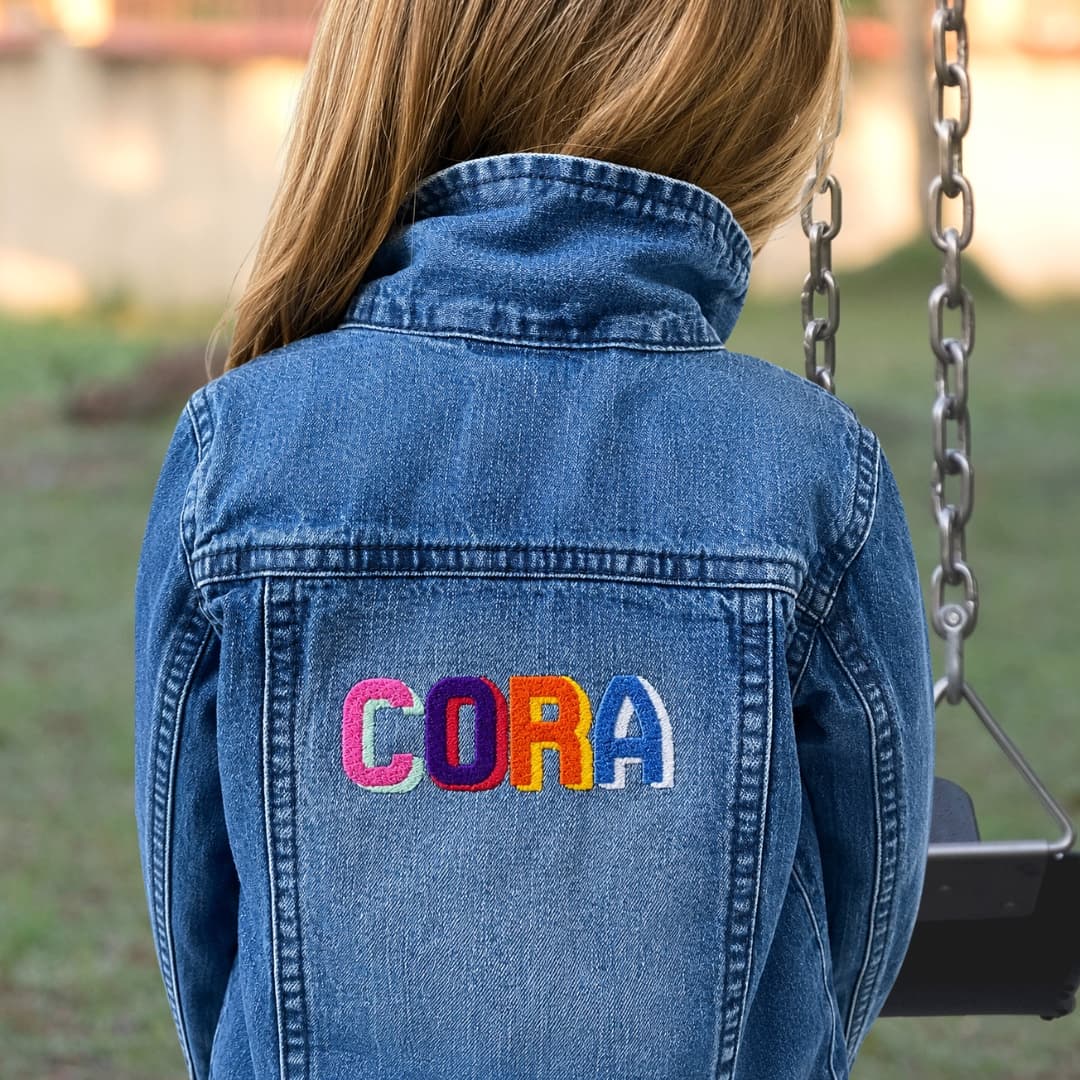
Custom Embroidery
Thread stitched directly into fabric
How It Works
A commercial embroidery machine uses a digitized design file to stitch thread directly into the garment. Each color in your design is a separate thread, and the machine builds the image stitch by stitch. The result is a raised, textured finish that looks and feels premium.
Best For
- Polos, jackets, hats, and bags
- Corporate logos and branding
- Small-quantity or single-piece orders
- Items that get washed frequently
Pricing
Priced per piece based on stitch count and quantity. $15 order minimum, no quantity minimum.
Advantages
- Premium, professional appearance with 3D texture
- Extremely durable, outlasts the garment itself
- No minimum order quantity
- Works on structured and heavy fabrics
- Colors stay vibrant wash after wash
Limitations
- Not ideal for photo-realistic or highly detailed artwork
- Cost increases with stitch count (design complexity)
- Limited to solid thread colors, no gradients
- Small text (under ~¼") can be hard to read
Care Instructions
Turn inside out, wash cold, hang dry or tumble low. Embroidery is the most durable decoration, it handles regular washing without fading or cracking.
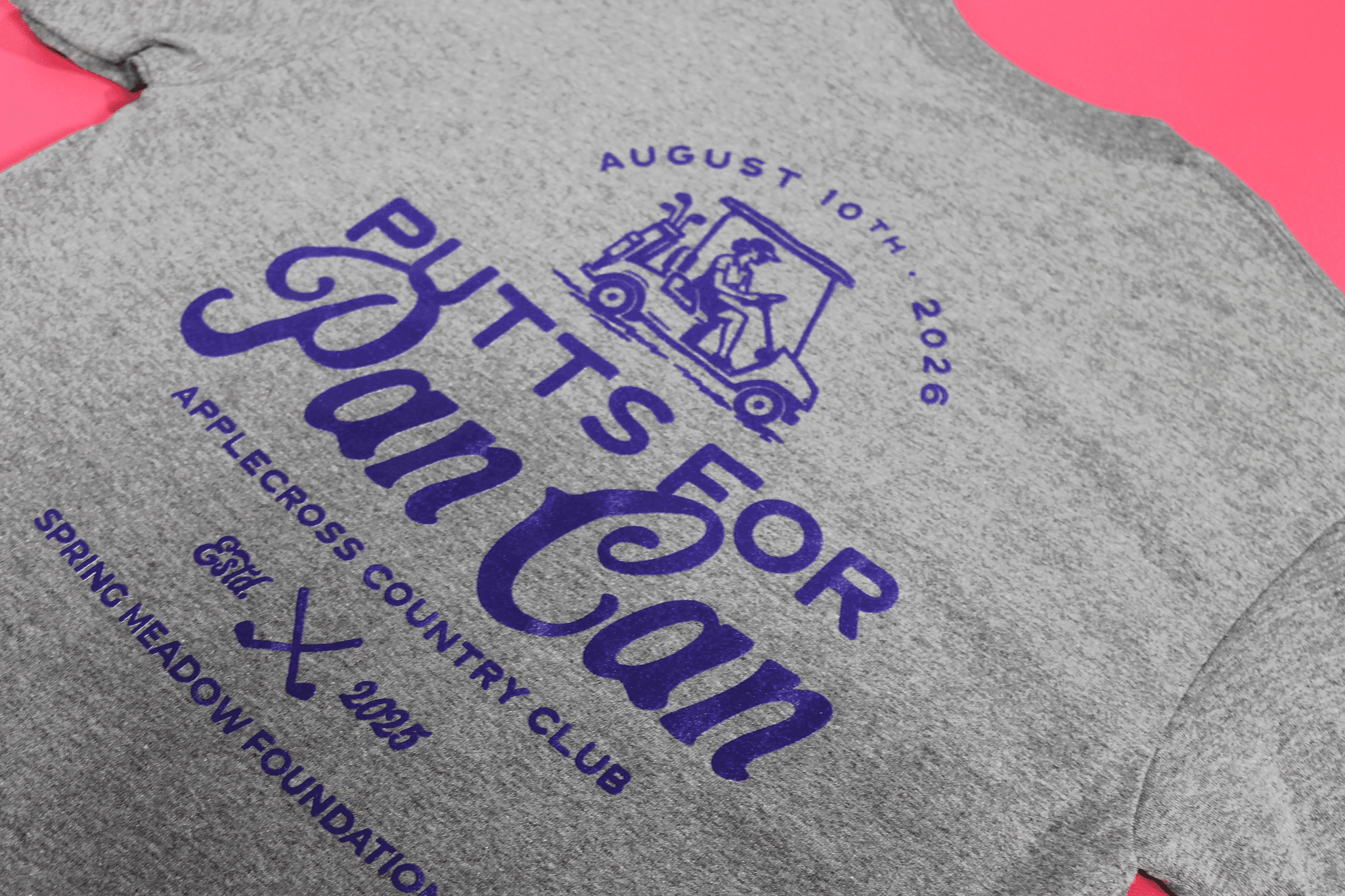
Screen Printing
Ink pressed through mesh screens
How It Works
Screen printing pushes ink through a fine mesh screen onto the garment, one color at a time. Each color requires a separate screen, so the process has setup costs, but once the screens are made, printing is fast and cost-effective at volume. The result is a smooth, vibrant finish that sits on top of the fabric.
Best For
- T-shirts, hoodies, and sweatshirts
- Team orders and group events
- Bulk orders (12+ pieces)
- Bold, graphic designs with solid colors
Pricing
Priced per piece based on number of ink colors and quantity. Lower per-piece cost as quantity increases.
Advantages
- Lowest per-piece cost at higher quantities
- Bright, opaque colors, even on dark fabrics
- Fast production once screens are set up
- Smooth, classic finish that people expect on tees
- Specialty inks available (metallic, puff, glow)
Limitations
- Setup costs make small orders expensive
- Each color adds cost (separate screen per color)
- Not practical for full-color photos or gradients
- Minimum order quantities apply
Care Instructions
Turn inside out, wash cold, tumble dry low. Avoid ironing directly on the print. Screen-printed designs can crack over time with hot dryer cycles.
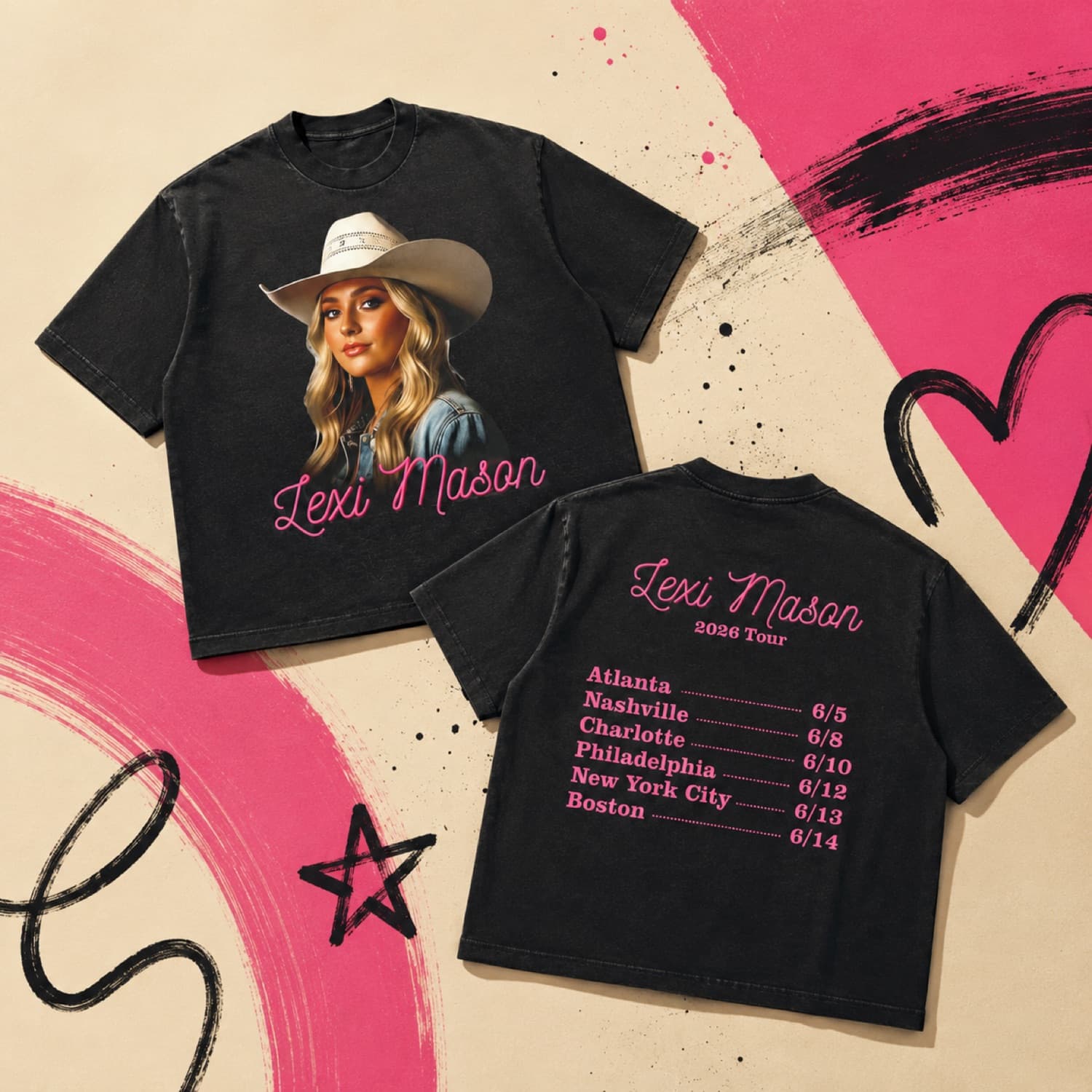
DTF
Full-color prints pressed onto fabric
How It Works
Direct-to-Film (DTF) prints your full-color design onto a special film, which is then heat-pressed onto the garment. Unlike screen printing, there are no color limitations, photos, gradients, and complex artwork all transfer cleanly. The result is a smooth, slightly raised print with excellent detail.
Best For
- Full-color logos, photos, and illustrations
- Small batches or one-off pieces
- Designs with lots of colors or gradients
- Quick turnaround projects
Pricing
Priced per piece based on print size. Cost is consistent regardless of color count.
Advantages
- Unlimited colors at no extra cost
- Photo-quality detail and gradients
- No minimum order quantity
- Works on cotton, polyester, and blends
- No screens or setup, fast turnaround
Limitations
- Slight texture/hand feel on the fabric
- Not as durable as embroidery over many washes
- Large solid areas can feel stiff
- Per-piece cost doesn't drop as much at volume
Care Instructions
Turn inside out, wash cold, hang dry recommended. Avoid high heat in the dryer. Do not iron directly on the transfer.
Still deciding which method is right?
Tell us about your project and we’ll recommend the right method.
Tell Us About Your Project→